In today’s digital age, social media is no longer an option for healthcare providers; it’s a necessity. Patients across the United States rely heavily on a doctor’s online presence and reviews when choosing a healthcare provider. A strong social media strategy not only builds trust but also enhances a physician’s professional reputation. In this blog, we will explore why engaging in social media marketing for doctors is crucial and outline strategies that can turn virtual connections into substantial patient leads.
Social media offers immense potential for doctors to connect with their community, establish credibility, and foster patient relationships. Here are some compelling reasons why it matters:
- Build Trust: It enables physicians to share valuable health tips, advice, and important updates, which helps in building patient trust.
- Drive Traffic: By linking back to professionally designed websites, clinics can drive more traffic to their appointment booking systems.
- Competitive Edge: A solid social media strategy helps practices stay ahead of local competition by enhancing their online visibility.
Facebook
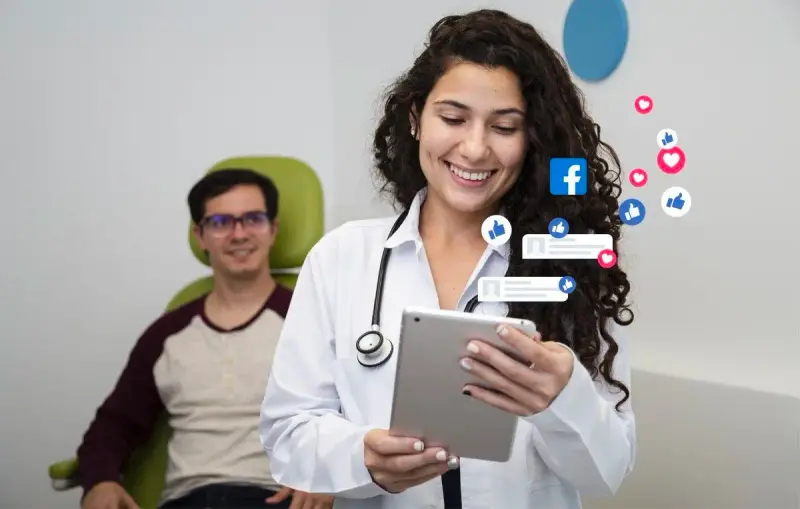
Known for its wide reach and community-building capabilities, Facebook allows doctors to share updates, run targeted ads, and receive feedback through patient testimonials.
Instagram
With its visually-driven platform, Instagram is perfect for posting before/after photos, short commentary videos, and health reels that engage audiences.
LinkedIn
LinkedIn serves as a platform for professional branding and B2B networking. It’s particularly valuable for healthcare marketing and building professional connections.
TikTok/YouTube Shorts
These platforms are excellent for creating educational content tailored to younger audiences. Quick, informative videos can boost a practice’s presence among the digital-savvy population.
Educational Content Marketing
Sharing health tips, awareness campaigns, and hosting Q&A sessions can enhance patient engagement and loyalty.
Patient Testimonials & Stories
Testimonials act as social proof, helping to attract new patients. Encourage satisfied patients to share their experiences online.
Paid Social Ads for Healthcare
Leverage hyper-targeted ads that focus on location, demographics, and patient intent.
Consistent Branding & Professional Design
Consistency in branding fosters trust. Use professional visuals and maintain a unified message across all platforms.
Responding to comments and hosting live Q&A sessions help build an active and supportive online community.
Doctors must adhere to HIPAA regulations, ensuring patient information is never disclosed without consent. Maintaining a professional tone and balancing educational content with moderated promotion are key.
Implement tools to track leads generated via social media campaigns. Monitoring website traffic and evaluating patient inquiries can provide insights into the effectiveness of your social media strategies.
Hiring a professional agency can optimize your practice’s social media presence. Agencies offer content creation, campaign management, and analytics services, allowing doctors to focus on patient care.
FAQ Section
Q1: Why is social media important for doctors in the USA?
A1: It builds trust, extends reach, and provides a competitive edge.
Q2: Which social media platforms work best for medical practices?
A2: Facebook, Instagram, LinkedIn, TikTok, and YouTube are recommended.
Q3: Can social media marketing help doctors attract more patients?
A3: Yes, through engagement and targeted advertising.
Q4: How do doctors stay HIPAA-compliant on social media?
A4: By never disclosing patient information and maintaining professionalism.
Q5: Should doctors hire a digital marketing agency?
A5: Yes, agencies offer expertise in strategy, content, and compliance.